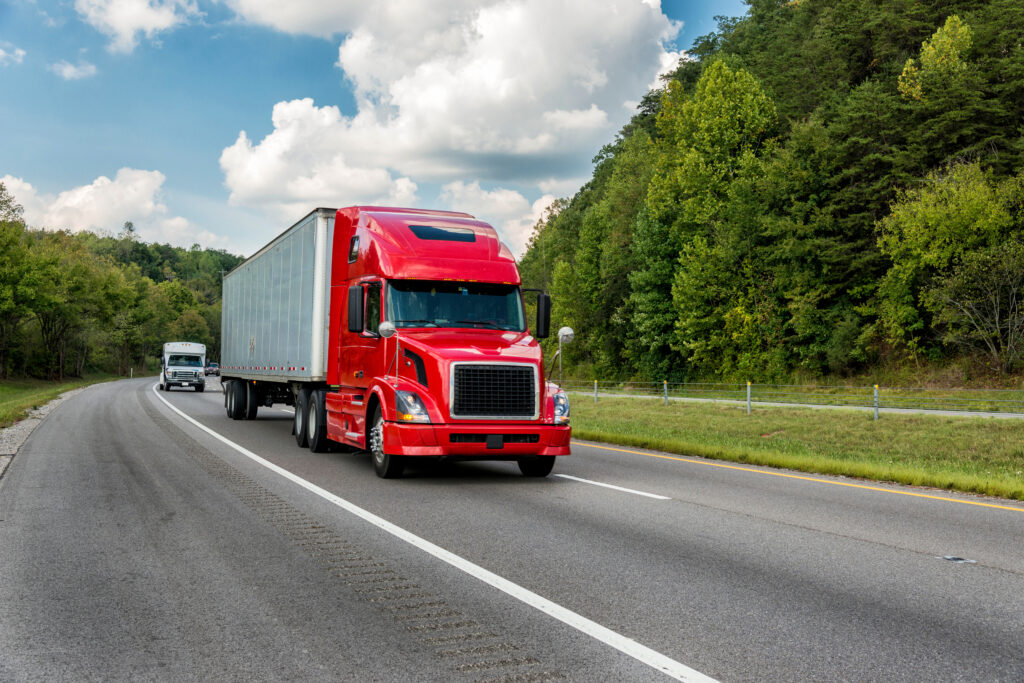
The transportation industry is a very important part of the US economy as it accounts for about 10% of the U.S. Gross Domestic Product (GDP), or $1.6 trillion in revenue. The industry employs millions of workers, moves products, generates revenue; and maybe most importantly, it allows business continuity. Without transportation the economy would come to a halt. The transportation industry is a good indicator of the strength of the economy as it is the nucleus to the transportation of all products and services.
The transportation segment is the heartbeat that keeps the body functioning in today’s global economy. Transportation links together the factors of production in a complex relationship between producers and consumers. Transportation needs are constantly changing much like other industry demands; businesses are constantly looking for ways to streamline their shipping needs as transportation expenses have continued to rise with the increase in fuel and driver shortage. Transportation also impacts the pricing for industry products. A good example of the pricing increase is the recent increases to the price of food. As transportation expenses, like fuel, increase, there will be a direct impact on the price of the product shipped.
Industry demands have a direct correlation with the supply and demand of transportation. While LTL rates are relatively stable over a period of time, Truckload rates change like stock prices. One Truckload example is the seasonality of produce: spring and summer are the peak times for produce and places like Florida and California are hotbeds in the produce season. Carriers provide very attractive rates to cover loads into these markets when produce season is in full swing. Conversely, when produce isn’t an available commodity the demand is low and shipping rates can increase dramatically into these markets. The best way to describe the ebb and flow of pricing is that the shipping rates change based upon the supply and demand of shipping needs within any given market. Carriers typically price a shipment based upon the outbound opportunity of moving their next shipment from the current shipment’s destination.
In summary, while the economy and industry will always change, transportation needs will always be in demand and will continue to adapt to support business needs.
Matt Watson, Truckload Sales Support Manager